Cross-Border Movie Tropes Explained: Cinema FAQ
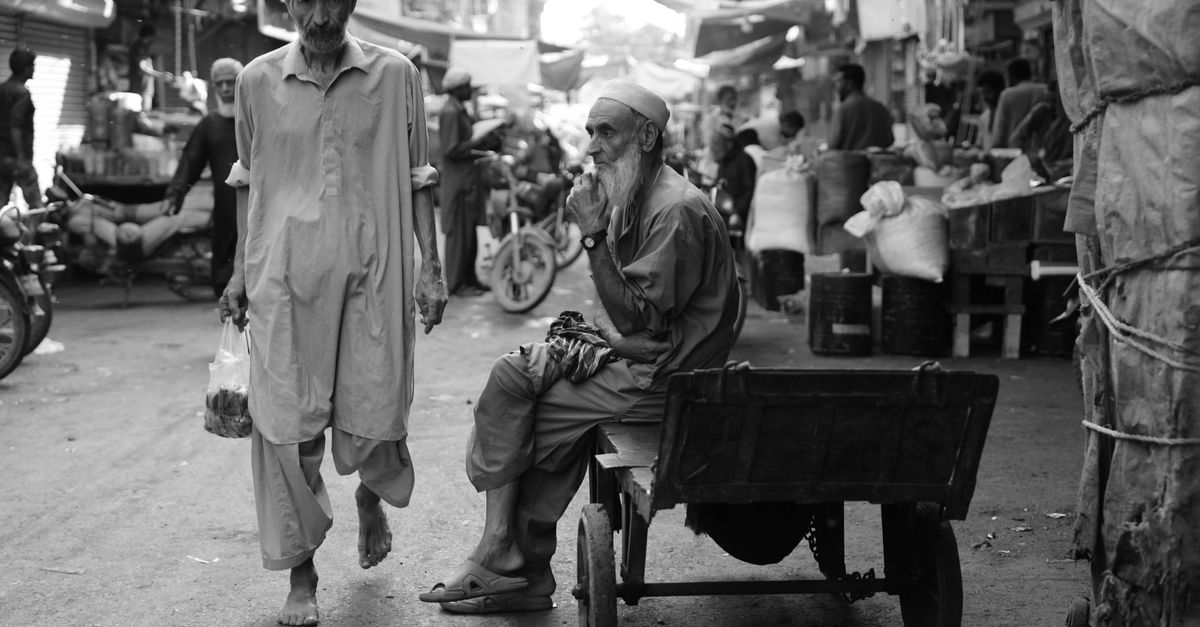
Yes — on screen, love does regularly conquer borders between India and Pakistan. Not because it’s easy or realistic, but because it’s emotionally urgent, politically charged, and cinematically irresistible. From Veere Di Wedding’s quiet nod to Lahore roots to Jab Tak Hai Jaan’s Kashmiri-Punjabi romance, filmmakers keep returning to this tension: two hearts, one line drawn in blood and bureaucracy. It’s less about geography and more about what happens when intimacy defies ideology — and that’s exactly why the question can love conquer borders cinema faq keeps surfacing in film forums, classroom debates, and late-night WhatsApp threads across South Asia.
Why the Border Keeps Showing Up (Even When It’s Not the Plot)
The India–Pakistan border isn’t just a setting — it’s a character with mood swings. In Bajrangi Bhaijaan, the Wagah crossing isn’t backdrop; it’s where silence speaks louder than dialogue. In Raazi, the Line of Control pulses like a second heartbeat beneath every whispered conversation. These films rarely map actual geography — instead, they treat the border as emotional infrastructure: a threshold where loyalty fractures, memory rewires, and love becomes an act of quiet rebellion. That’s why so many viewers search can love conquer borders cinema faq — not for plot spoilers, but for reassurance that feeling deeply across divides still means something.
The ‘Lost Sibling’ Trope: Family as Unofficial Diplomacy
Few devices bridge nations faster than a long-lost brother or sister separated during Partition. Think Gadar: Ek Prem Katha, where a Sikh man crosses into Pakistan to rescue his Muslim wife — or Kabhi Khushi Kabhie Gham, where a father’s estrangement mirrors geopolitical rifts. These aren’t just tear-jerkers; they’re cultural palimpsests — layering personal grief over collective history. The sibling trope works because it bypasses politics with biology: if your blood runs the same, does your passport really matter? It’s no accident that this motif resurfaces whenever real-world relations chill — audiences reach for kinship as both comfort and quiet protest.
Songs That Cross Without Visas
A qawwali from Lahore echoes in a Mumbai bedroom. A Punjabi folk tune hummed by a Delhi taxi driver gets remixed in Karachi’s underground scene. Music slips through cracks where diplomats stall. In Rockstar, Jordan’s voice carries Urdu poetry across borders without translation. In Zindagi Na Milegi Dobara, the characters don’t need visas to feel the ache in a Nusrat Fateh Ali Khan track — it lands like shared DNA. These sonic bridges make the can love conquer borders cinema faq feel less theoretical. You don’t need subtitles to recognize longing — especially when it’s wrapped in melody.
When Romance Fails — And Why That Matters Too
Not every cross-border love story ends with a reunion. Dil Se.. closes with tragedy. Haider leaves its central relationship unresolved, buried under snow and silence. That refusal to offer neat closure is itself political — a reminder that love doesn’t erase consequence. These endings resonate precisely because they mirror lived reality: phone calls dropped mid-sentence, letters returned unopened, weddings postponed indefinitely. They reframe the can love conquer borders cinema faq not as a yes/no quiz, but as an invitation to sit with ambiguity — and to ask, what kind of courage does it take to love someone whose country your own government won’t acknowledge?
Frequently asked questions
Is there really a genre called 'Indo-Pak border cinema'?
Not officially — but critics and fans increasingly use terms like 'border cinema' or 'Partition-adjacent romance' to describe films that treat the India–Pakistan divide as narrative gravity. It’s less about box office categories and more about recurring emotional logic: love as trespass, memory as contraband, silence as dialogue.
Do actors from India and Pakistan ever collaborate on these films?
Rarely on screen — due to industry bans and visa hurdles — but frequently off-screen. Composers like A.R. Rahman and singers like Shreya Ghoshal record vocals for Pakistani artists; writers exchange drafts via encrypted apps; directors reference each other’s work in interviews. The collaboration lives in the margins — which, ironically, makes it feel even more authentic to the can love conquer borders cinema faq spirit.
Why do so many of these films use train journeys?
Trains are living metaphors: moving yet confined, communal yet isolating, nostalgic yet unstoppable. The 1947 refugee trains haunt these stories — not as history lessons, but as inherited rhythm. A train pulling into Attari or Lahore isn’t just transport; it’s time travel. That’s why directors keep cutting to rails, whistles, and blurred platforms — they’re tapping into muscle memory older than passports.
Are younger filmmakers changing how borders are shown?
Absolutely. Where older films framed borders as physical walls, Gen Z creators treat them as digital glitches — buffering video calls, censored Instagram DMs, TikTok duets stitched across firewalls. Their version of can love conquer borders cinema faq includes memes, subtitles typed by hand, and love letters sent as voice notes — proof that resistance evolves, but the question stays tenderly, urgently the same.