83 vs Main Hoon Shahid Afridi: Classic Sports Clash
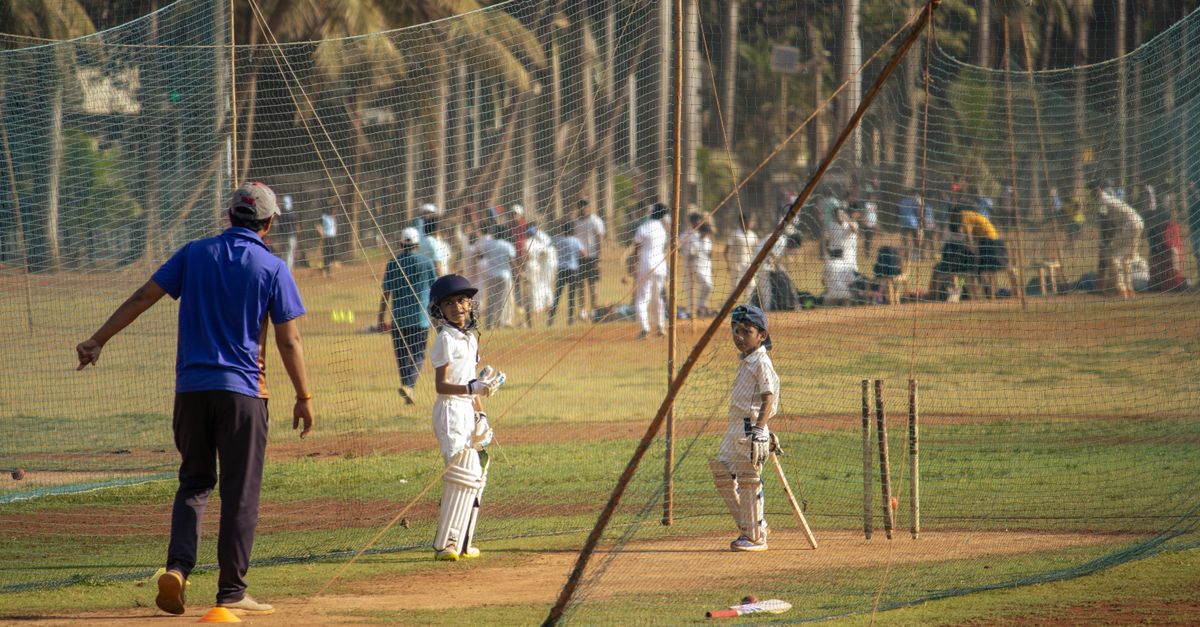
If you're asking 83 vs Main Hoon Shahid Afridi, you're not just comparing movies—you're weighing two very different ways of telling South Asian sporting truth. One is a polished, star-studded Bollywood retelling of India’s 1983 World Cup win; the other is a raw, semi-autobiographical Pakistani indie film about identity, legacy, and what it means to be Shahid Afridi—on and off the pitch. Neither tries to outdo the other in scale or budget—but both land hard in their own lanes. Let’s break down why fans keep coming back to 83 vs Main Hoon Shahid Afridi when they want real cricket soul, not just stadium fireworks.
What Each Film Is Really About
At first glance, 83 feels like a victory lap: vibrant, nostalgic, emotionally orchestrated. It follows Kapil Dev’s underdog Indian team through the 1983 World Cup, leaning into camaraderie, last-minute tension, and national pride. The script treats history like a well-polished trophy—shiny, respectful, and crowd-pleasing.
Main Hoon Shahid Afridi, meanwhile, doesn’t even start on the pitch. It opens with a young man named Shahid (played by Fawad Khan) trying—and failing—to live up to the name he shares with Pakistan’s explosive all-rounder. There’s no World Cup final here—just Lahore streets, family friction, and the quiet pressure of being measured against a legend. It’s less sports biopic, more identity study wrapped in cricket gear.
So when people search 83 vs Main Hoon Shahid Afridi, they’re often looking for contrast—not competition. One celebrates collective triumph; the other dissects personal inheritance.
Tone, Style & Cultural Texture
Ranveer Singh’s 83 hums with Bollywood rhythm: slow-motion catches, swelling orchestras, and dialogue that lands like punchlines. It’s cinematic comfort food—familiar, warm, engineered to stir nostalgia. Every frame feels intentional, every emotional beat timed like a boundary.
Main Hoon Shahid Afridi breathes differently. Shot on location in Lahore and Rawalpindi with natural light and handheld intimacy, it leans into silence, awkward pauses, and unspoken tension. You hear the clatter of tea cups, the murmur of street vendors, the muffled TV commentary from a neighbour’s balcony. That texture isn’t accidental—it’s how Pakistani everyday life sounds. While 83 shouts ‘We did it!’, Main Hoon Shahid Afridi whispers ‘Who am I, really?’
That’s why the 83 vs Main Hoon Shahid Afridi conversation matters beyond box office numbers. It’s about whose stories get told loudly—and whose get told softly, but just as deeply.
Performance Choices & Authenticity Gaps
Dramatically, 83 leans on star power—Ranveer as Kapil, Deepika as Romi Dev, Pankaj Tripathi as PR Man Singh. Their performances are committed, sometimes uncanny—but also carefully calibrated for mass appeal. Real-life players were consulted, yes, but the film smooths over contradictions and complexities to serve narrative flow.
Fawad Khan’s turn in Main Hoon Shahid Afridi feels riskier. He doesn’t mimic Shahid Afridi’s swagger—he channels the weight of expectation placed on anyone who shares that name. His character stumbles, lies, hides, and tries too hard—not because he’s weak, but because legacy isn’t inherited; it’s negotiated. Even Afridi himself makes a brief, wry cameo—not as a hero, but as a man who’s seen enough to know fame isn’t a finish line.
Fans revisiting 83 vs Main Hoon Shahid Afridi often notice this: one film asks ‘What did we achieve?’, the other asks ‘What does it cost to carry that achievement?’
Why Both Still Resonate With BorderReels Audiences
BorderReels isn’t just about cricket films—it’s about how sport mirrors our borders, both real and imagined. 83 resonates because it captures a moment when India stepped onto a global stage—not with weapons or wealth, but with sixes and spirit. Its energy still electrifies stadiums and classrooms alike.
Main Hoon Shahid Afridi hits differently. In a region where cricket diplomacy flickers and fades, it reminds us that players aren’t just ambassadors—they’re sons, brothers, dreamers, and doubters. Its scenes of Shahid (the character) watching Afridi highlights on loop, rewinding, pausing, replaying—that’s the heartbeat of 83 vs Main Hoon Shahid Afridi. Not rivalry. Reverence mixed with restlessness.
And yes—this comparison keeps showing up in fan forums, university film classes, and late-night WhatsApp threads across Karachi, Mumbai, and Toronto. Because whether you’re Team 83 or Team Main Hoon Shahid Afridi, you’re really rooting for the same thing: honesty dressed in flannels.
Frequently asked questions
Is Main Hoon Shahid Afridi based on a true story?
Not exactly. It’s fictional but deeply rooted in real cultural dynamics—especially how Pakistani youth relate to Shahid Afridi’s larger-than-life persona. Fawad Khan’s character shares the name but not the career, making it a layered exploration of identity, not biography.
Did Shahid Afridi approve of the film Main Hoon Shahid Afridi?
Yes—he supported it publicly and even appeared in a cameo. He called it 'a mirror, not a portrait,' acknowledging its focus on perception over fact.
How accurate is 83 compared to real events?
The core tournament arc is faithful, but creative liberties were taken—especially around interpersonal tensions and timelines. Several players have confirmed key moments were dramatized for pacing and emotional clarity.
Which film performed better commercially: 83 or Main Hoon Shahid Afridi?
83 was a massive box-office success globally. Main Hoon Shahid Afridi had limited theatrical release but found strong resonance on streaming platforms and in film festivals—building cult status over time rather than opening-weekend buzz.