Henna (1991) Retrospective: Classic Romance Revisited
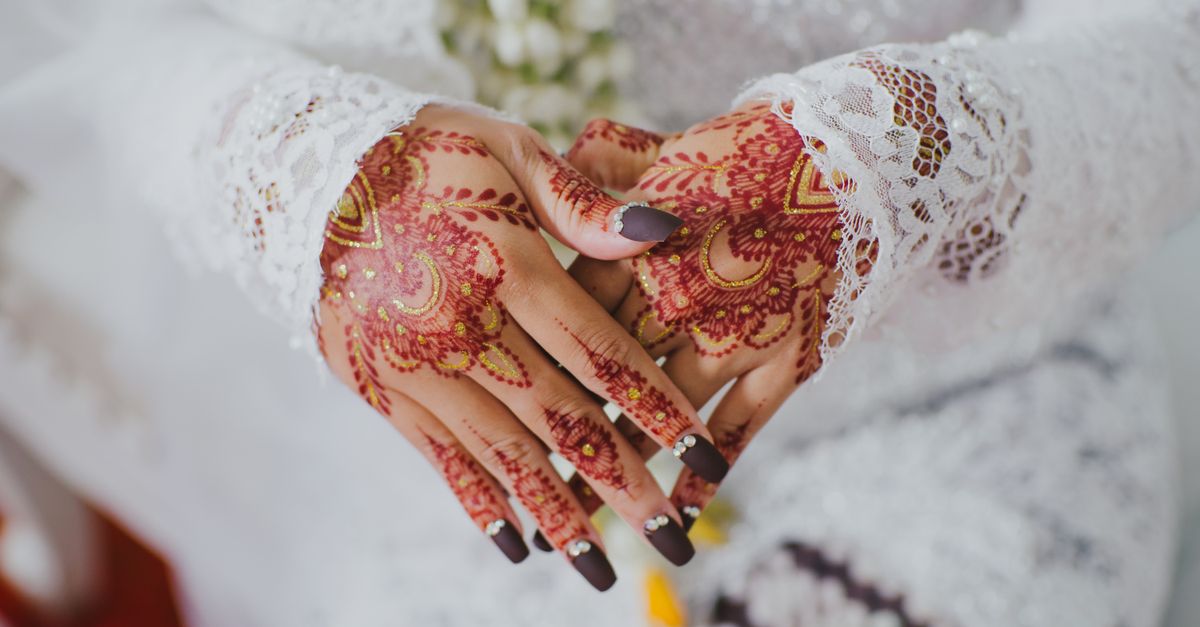
Henna (1991) isn’t just a film—it’s a quiet bridge. Released at a time when India and Pakistan were navigating tense diplomacy, this tender, visually lush romance dared to imagine kinship across borders, not through politics, but through shared memory, music, and the soft stain of henna on skin. The Henna 1991 movie retrospective isn’t about nostalgia alone; it’s about how a story rooted in partition-era longing became a subtle act of cinematic diplomacy—and why it still feels quietly radical today.
Why ‘Henna’ Felt Like a Whisper in a Shouting World
In 1991, Bollywood was loud—larger-than-life heroes, dramatic confrontations, and songs that demanded attention. Henna, directed by Randhir Kapoor, chose silence instead: long pauses between lines, lingering shots of Punjab’s golden wheat fields, the rustle of a dupatta in wind. Its protagonist, Chandni (played by Zeba Bakhtiar), isn’t chasing stardom or revenge—she’s carrying letters, memories, and a quiet grief for a homeland she’s never seen. That restraint was radical. The film didn’t ignore Partition’s trauma—it held space for its echo, letting emotion settle like dust in sunlight. It wasn’t propaganda or protest; it was empathy, filmed with the patience of someone waiting for tea to steep. That gentle tone is exactly why the Henna 1991 movie retrospective keeps drawing viewers back—not for spectacle, but for solace.
The Music That Crossed the Wagah Border
Laxmikant–Pyarelal’s score remains one of Henna’s most enduring gifts. Not flashy, but deeply felt—especially the title track, sung by Lata Mangeshkar and Nusrat Fateh Ali Khan. Yes, that collaboration: the voice of India’s silver screen meeting Pakistan’s qawwali legend, years before such pairings became common. Their duet wasn’t just beautiful—it was quietly political. Radio stations on both sides played it without fanfare. Cassettes passed hand-to-hand across families split by 1947. Even today, you’ll hear snippets at weddings in Lahore and Ludhiana alike. The music didn’t shout unity—it hummed it. And the henna motif? Woven into lyrics (“Henna lagao, yaadon ke rang mein”), it became shorthand for memory made visible, love made ritual. That’s part of what makes the Henna 1991 movie retrospective so rich: its soundtrack is living oral history.
Zeba Bakhtiar and Rishi Kapoor: Chemistry Without Cliché
Casting Zeba Bakhtiar—a Pakistani actress—in a leading Indian film was itself a statement. Her performance as Chandni avoids melodrama entirely. There’s no grand monologue about loss—just the way she traces a faded photograph, or hesitates before stepping over a threshold. Opposite her, Rishi Kapoor plays Lalit not as a typical hero, but as a man softened by grief and curiosity. Their romance unfolds in glances, shared silences, and small gestures: him adjusting her shawl, her learning to make parathas from his mother. No kiss, no grand confession—just two people recognizing something familiar in each other. That subtlety disarmed critics at first. But over time, it’s become the film’s greatest strength. You don’t watch Henna to see love conquered—you watch to feel it quietly bloom. It’s a rare kind of chemistry, and central to any honest Henna 1991 movie retrospective.
Legacy: From Forgotten Gem to Quiet Cultural Touchstone
For years, Henna lived in the shadows of bigger 1991 releases—Saathiya hadn’t yet redefined romance, and Dil was still months away. It didn’t win major awards. But slowly, steadily, it gathered quiet devotees. Film students cited its restrained framing. Diaspora families screened it during Eid and Diwali, calling it their ‘shared film.’ In 2021, a restored version premiered at the Mumbai Film Festival—and the audience wept openly during the final train sequence. Why? Because Henna never promised healing—but it offered recognition. It said: your longing has shape, your memory has color, your henna-stained hands hold more than tradition. That’s why the Henna 1991 movie retrospective matters now more than ever—not as museum piece, but as living language. It reminds us that some stories don’t shout across borders. They simply wait, patiently, for someone to cross and listen.
Frequently asked questions
Is ‘Henna’ based on a true story?
No—it’s fictional, written by Javed Siddiqui—but deeply informed by real oral histories from families displaced during Partition. Several scenes draw directly from recorded interviews with elders in Amritsar and Lahore.
Was ‘Henna’ released in Pakistan?
Yes, though quietly. It opened in select Karachi and Lahore cinemas in early 1992 with minimal promotion—but played for over 12 weeks in some neighborhoods, often to full houses of intergenerational audiences.
Why is the henna design in the film so detailed?
The patterns were designed by artist Sabeen Rizvi, who researched pre-Partition bridal motifs from both sides of Punjab. Each design in the film corresponds to a specific village—some now in India, others in Pakistan—making the henna itself a map of memory.
Where can I stream ‘Henna’ legally today?
It’s available on YouTube via the official Yash Raj Films channel (with English subtitles), and on ZEE5 in South Asia. A 4K restoration is expected on MUBI later this year.